
Brussels – Due to new EU rules targeting greenwashing, food and consumer‑goods manufacturers are preparing to change the packaging of millions of products on store shelves. The measures stem from the European directive aimed at strengthening consumer protection during the green transition, commonly referred to as the EmpCo Directive. What exactly is about to change?
373 words – 2 minutes
Misleading Consumers
Greenwashing refers to misleading consumers by making products appear more sustainable than they really are, using vague terms such as environmentally friendly, climate neutral, or green production. Such claims are found on countless items: coffee, detergent, shampoo, baby food, long‑life groceries and hundreds of other products. Starting 27 September, these misleading environmental claims will be banned or legally challengeable. Outdated or unverified sustainability labels on packaging will no longer be permitted.
Heineken Scandal
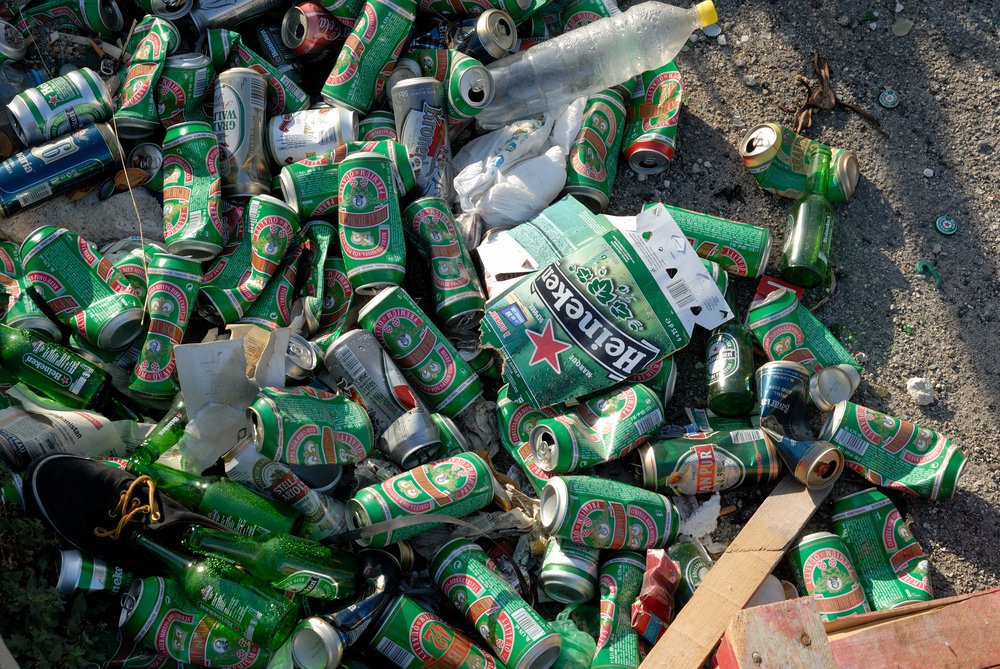
Major food and packaging corporations try to delay. As seen during the Heineken deposit‑return scandal, companies often try to stretch or circumvent the rules. But the new EU legislation is clear: manufacturers must provide evidence for every sustainability claim they make. The era in which companies like Unilever, Pepsico, Nestlé, Danone, Coca‑Cola, Mondelez and Kraft Heinz could print unsubstantiated “green” slogans on their packaging is coming to an end.
Old packaging
A similar situation occurred in 2023, when the Netherlands introduced a deposit system for canned drinks. Heineken, not known for prioritising environmental compliance, placed more than 7.2 million cans without a deposit on the market between 1 and 11 April 2023 — even though the deposit requirement was already in force. The Openbaar Ministerie (Public Prosecution Service) intervened, forcing Heineken to recall all cans. The company ultimately received a relatively small fine of €1.5 million. From September onward, fines for misleading environmental claims are expected to be significantly higher.
Repackaging
Worldwide, billions of products are still sitting in warehouses awaiting sale. Many of them will need to be repackaged — especially long‑life canned goods such as soft drinks, pineapple, tomato and thousands of other items. Most long‑shelf‑life products will likely receive a new wrapper or label.
Short‑shelf‑life products, however, are expected to appear with new packaging as early as June, as retailers — wary after the Heineken incident — no longer want to wait and are already demanding legally compliant packaging from producers.